Acupuncture and Traditional Chinese medicine have proven to be successful in treating a wide variety of health conditions. A lot of people are drawn to acupuncture and Chinese medicine as a “last resort” to try and help a medical problem that may be serious and complex. It is common for people to find that acupuncture and the traditional Chinese approach to health can help them when other treatments could not. This is why acupuncture is being used by more people every year to help with all kinds of different health issues.

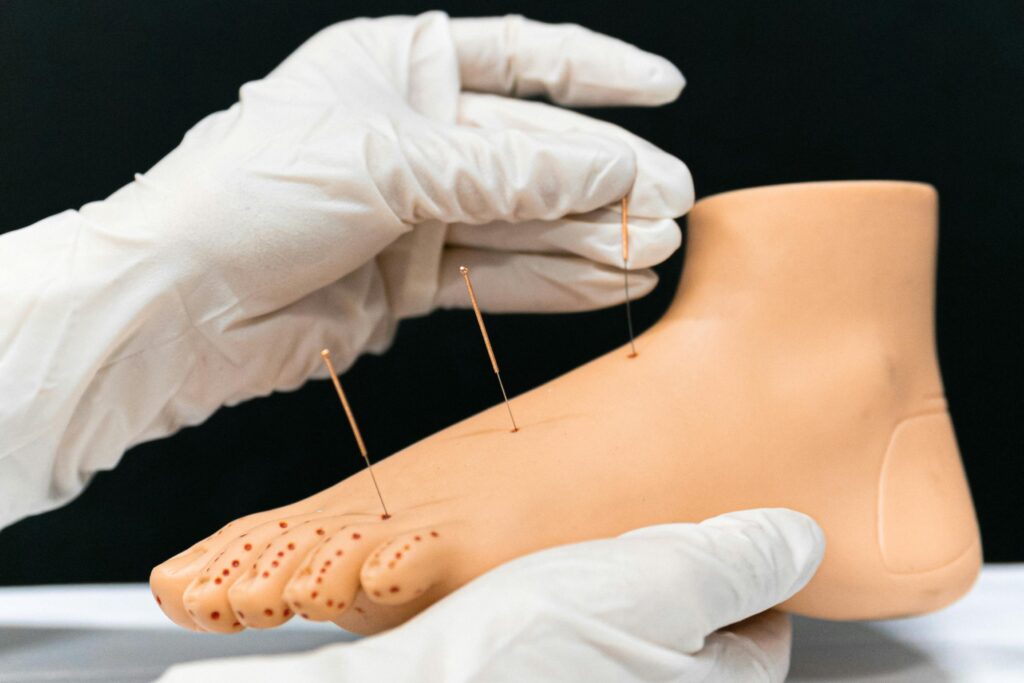
In addition to treating acute or serious health problems, acupuncture is often used as a preventative medicine. Many people see their acupuncturist only a few times a year to help with “seasonal transitions” or as a “tune up” or “balancing” treatment. This can be effective in keeping in good health, energy and vitality as well as for preventing illness.
A TCM-trained (Traditional Chinese Medicine) acupuncturist will determine the best treatment based on what your body needs to find balance and restore health. Each patient must have a full TCM health assessment in order for the practitioner to correctly diagnose the syndrome and imbalances in the body.
Traditional Chinese Medicine (TCM) will assess the states of the organ systems, the meridians, the fluid metabolism, circulation and the vital energy “Qi” of the body.
Based on the licensed acupuncturist’s diagnosis, a treatment plan will be prepared in order to address both the root-cause of the health problem, as well as the symptoms and manifestations of the issue. For example, someone with a skin disorder may be diagnosed with a weakness in the lungs or it may be caused by toxins in the digestive system. So, the treatment would focus on not only the skin, but also on the cause in the lungs or digestive system.
What health problems are commonly treated with acupuncture?
Acupuncture is well-known for treating pain-related issues. For example, arthritis, back, neck, shoulder pain, carpal tunnel syndrome and sciatica. Yet, it can also treat many other health disorders. Here are some more examples of what it can treat:
| Musculoskeletal and Neurological Disorders: Chronic Pain Acute Pain Sports Injuries Arthritis Neuralgia Sciatica Back Pain Bursitis Tendonitis Stiff Neck Bell’s Palsy Trigeminal Neuralgia Headaches and Migraines Fibromyalgia Stroke Cerebral Palsy Polio Sprains Muscle Spasms Shingles Gynecological / Genitourinary Disorders: Premenstrual Syndrome (PMS) Irregular, Heavy or Painful Menstruation Fertility Problems Endometriosis Menopause Symptoms (Night sweats, hot flashes, etc) Fibroids Chronic Bladder Infection Complications in Pregnancy Morning Sickness Kidney Stones Impotence Infertility in Men and Women Sexual Dysfunction Emotional and Psychological Disorders: Anxiety Insomnia Depression Stress ADHD, Attention Deficit Disorders PTSD | Respiratory Disorders: Asthma Coughs Emphysema Bronchitis Colds and Flus Eye, Ear, Nose, Throat Disorders: Sinusitis Sore Throat Hay Fever Earache Nerve Deafness Ringing in the Ears Dizziness Poor Eyesight Circulatory Disorders: High Blood Pressure Angina Pectoris Arteriosclerosis Anemia Poor circulation in the legs, hands or feet Immune Disorders: Allergies Candida Chronic Fatigue Lupus, Lymes Disease Addiction: Smoking Cessation Drugs Alcohol Acupuncture Also Treats: Chemotherapy/Radiation Side Effects Diabetes Dermatological Disorders Premature Aging Symptoms Weight Control Post-Surgical Recovery |
Always get acupuncture from a registered, trained and licensed professional.